Don’t be Deceived
Iran ceasefire 2026 discussions have dominated global headlines, but in the world of geopolitics, the timing of such agreements is rarely accidental. As we navigate the current 60-day window following the memorandum of understanding between the U.S. and Iran, it is vital to look past the diplomatic headlines and examine the strategic reality on the ground.
The narrative currently being fed to the public regarding the Iran ceasefire 2026 is one of stabilization—a “cooling-off” period to reopen maritime routes and restore energy market predictability. However, if we peel back the layers, a more concerning pattern emerges.
The Art of the Stall
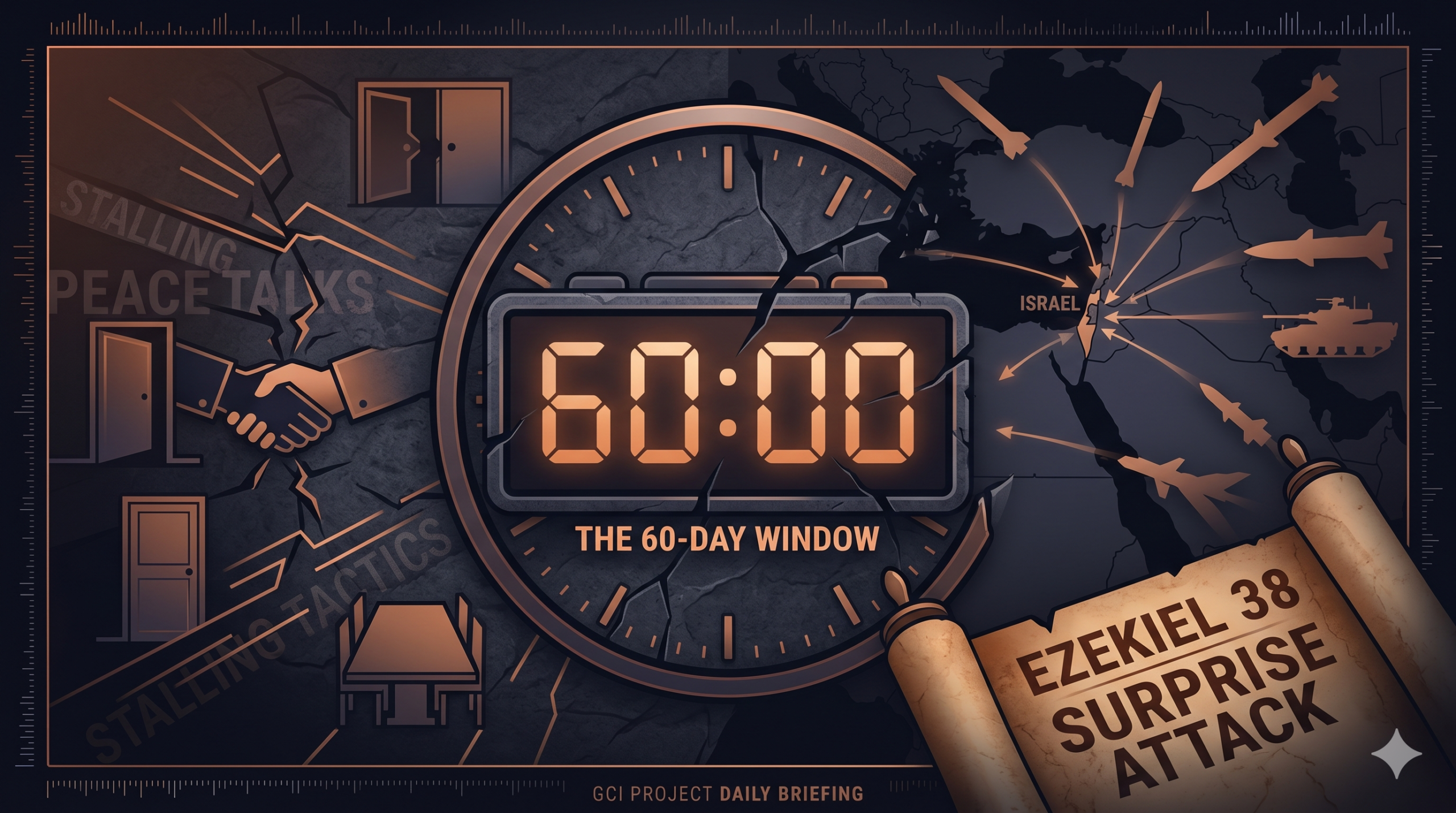
History and recent strategic doctrine have shown us that for the current Iranian regime, peace talks are not necessarily a vehicle for lasting resolution; they are a tactical maneuver. When a military campaign faces setbacks, the playbook is clear: agree to talks, stall the process, and use the ensuing silence to rebuild, regroup, and advance critical weapons programs.
We are currently seeing this in real-time. While the world discusses the framework of the Iran ceasefire 2026, the clock is ticking on Iran’s nuclear ambitions. This 60-day window is not just a diplomatic pause; it is a race. If the past few months of conflict have demolished significant portions of Iran’s conventional hardware, the regime is now likely pivoting to their asymmetric strengths and their nuclear warhead program.
The Lessons of October 7th
To understand the danger of this moment, we only need to look back at October 7, 2023. That attack, which took place during the celebration of Simchat Torah—a day of intense joy and religious gathering—reminds us that our adversaries often choose to strike precisely when a nation is in the midst of a festival.
By timing an assault during a high holy day, the perpetrators leveraged the element of surprise and the psychological comfort of a holiday to maximize chaos and vulnerability. It was a “Black Saturday” that shattered the peace, and it serves as a grim warning for the present: when a region is lulled into a false sense of security by diplomatic “wins,” the threat level is often at its highest.
The Fall Feast Window
As we track these developments, the calendar presents a sobering reality. If this 60-day timeline holds, we are being funneled directly into the autumn months of 2026.
Many observers, both students of history and those who look to prophetic texts like Ezekiel 38, note that a state of “false security” is the prerequisite for the events described in these ancient warnings. We are told of a time when the focus is on a perceived peace—a moment when the region feels stable—only to have that security shattered by a surprise coalition strike.
Connecting the dots:
- The 60-Day Window: Ending in mid-August, setting the stage for the arrival of the fall season.
- The Surprise Factor: History shows that our enemies view religious festivals not as “off-limits,” but as prime opportunities to catch a nation in its most vulnerable state.
- The Coalition: We are watching the potential alignment of the actors historically associated with this prophetic scenario—Iran, Turkey, and potentially Russian interests—as their geopolitical objectives increasingly converge.
Final Thoughts
Are we witnessing the final stages of a setup? When everything seems quiet over the next few months, that will be the time to stay the most vigilant. A ceasefire is not disarmament. A negotiation is not a solution.
As we continue to monitor these developments at the GCI Project, our focus remains on the signals beneath the noise. The diplomatic “wham-O” might be marketed as a peace deal, but the underlying reality suggests we are approaching a much more volatile threshold.
Stay tuned to the GCI Daily Briefing for ongoing updates on this 60-day window and what it means for regional stability.